
The Masai Mara is one of Africa’s most important conservation landscapes—not because it is pristine or untouched, but because it is actively managed, contested, negotiated, and defended every day. Conservation in the Mara is shaped by the interaction of wildlife ecology, community land ownership, tourism economics, county and national governance, and global conservation priorities. This guide provides a complete, system-level overview of Masai Mara conservation, including rhino protection, large mammal management, conservancies, tourism pressures, and future threats.
1. The Masai Mara Ecosystem: What Is Being Conserved
The Masai Mara forms the northern extension of the Serengeti–Mara ecosystem, one of the last remaining large, intact savannah systems on Earth.
- Open grasslands, riverine forests, and seasonal wetlands
- Permanent rivers such as the Mara River and Talek River
- A transboundary wildlife system linked to Serengeti National Park
Conservation here is not about isolating nature from people, but about maintaining ecological function across a human-inhabited landscape.
2. Governance and Management Structure
County vs National Roles
The Masai Mara National Reserve (MMNR) is owned and administered by Narok County, while national wildlife policy and species-level protection fall under Kenya Wildlife Service.
This dual structure creates:
- Shared authority over wildlife
- Complex enforcement and funding dynamics
- A need for partnerships rather than centralized control
Mara Triangle Conservancy
The western section of the reserve is managed by Mara Triangle Conservancy, widely regarded as one of Kenya’s most effective protected-area management models.
Key outcomes:
- Strong anti-poaching performance
- Transparent revenue use
- Improved habitat management
3. Community Conservancies: The Backbone of Modern Mara Conservation


4
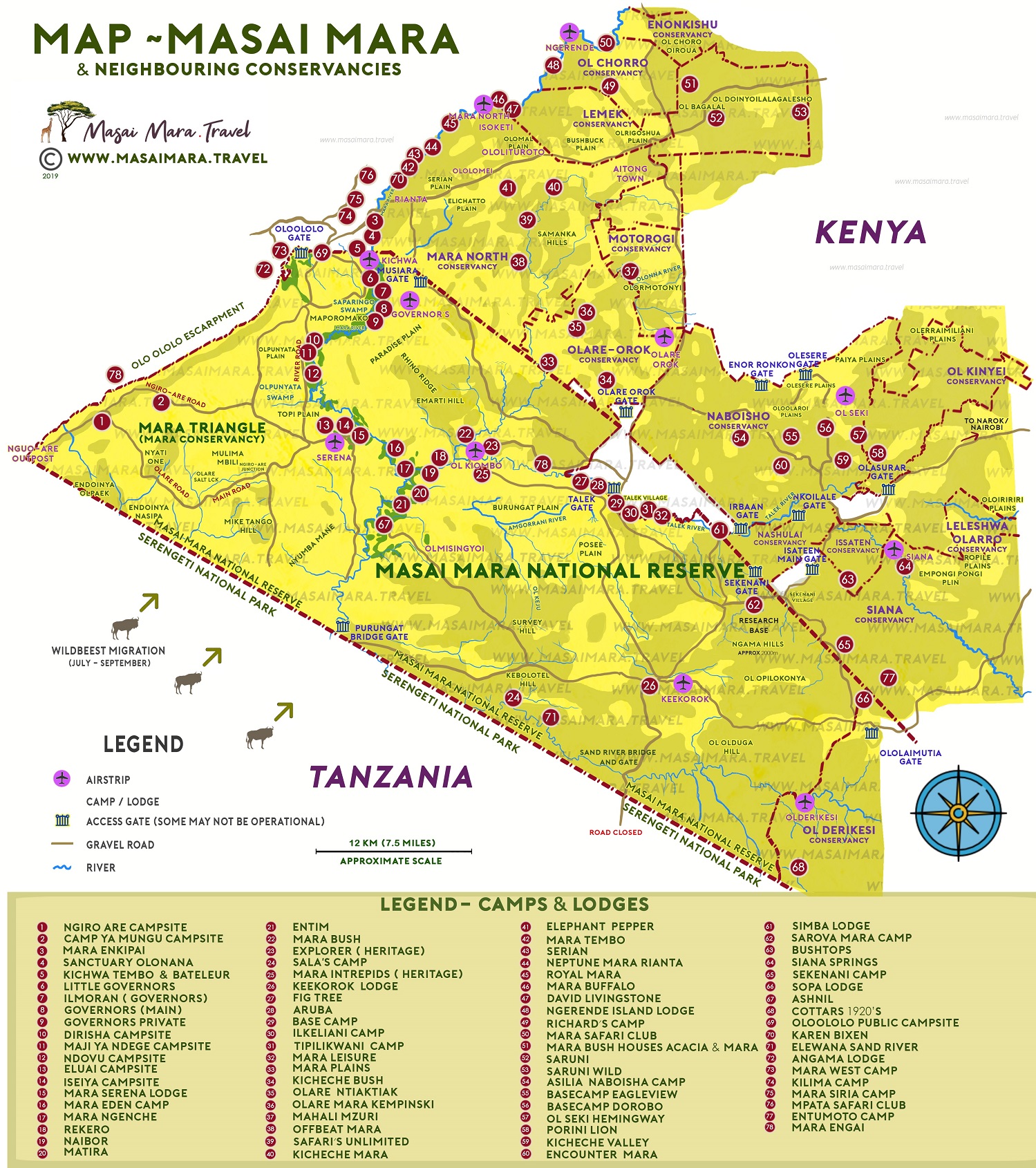
More than half of the Greater Mara ecosystem lies outside the national reserve on privately owned Maasai land. Conservation here depends on community conservancies.
How Conservancies Work
- Landowners lease land to a conservancy entity
- Monthly lease payments replace livestock-only income
- Low-density tourism funds conservation and livelihoods
Key Conservancies
- Ol Kinyei Conservancy
- Naboisho Conservancy
- Olare Motorogi Conservancy
- Ol Chorro Oirouwa Conservancy
Conservancies reduce:
- Habitat fragmentation
- Human–wildlife conflict
- Overgrazing and fencing
They also anchor rhino protection buffers, predator territories, and migration dispersal zones.
4. Rhino Conservation in the Masai Mara


4
Species Status
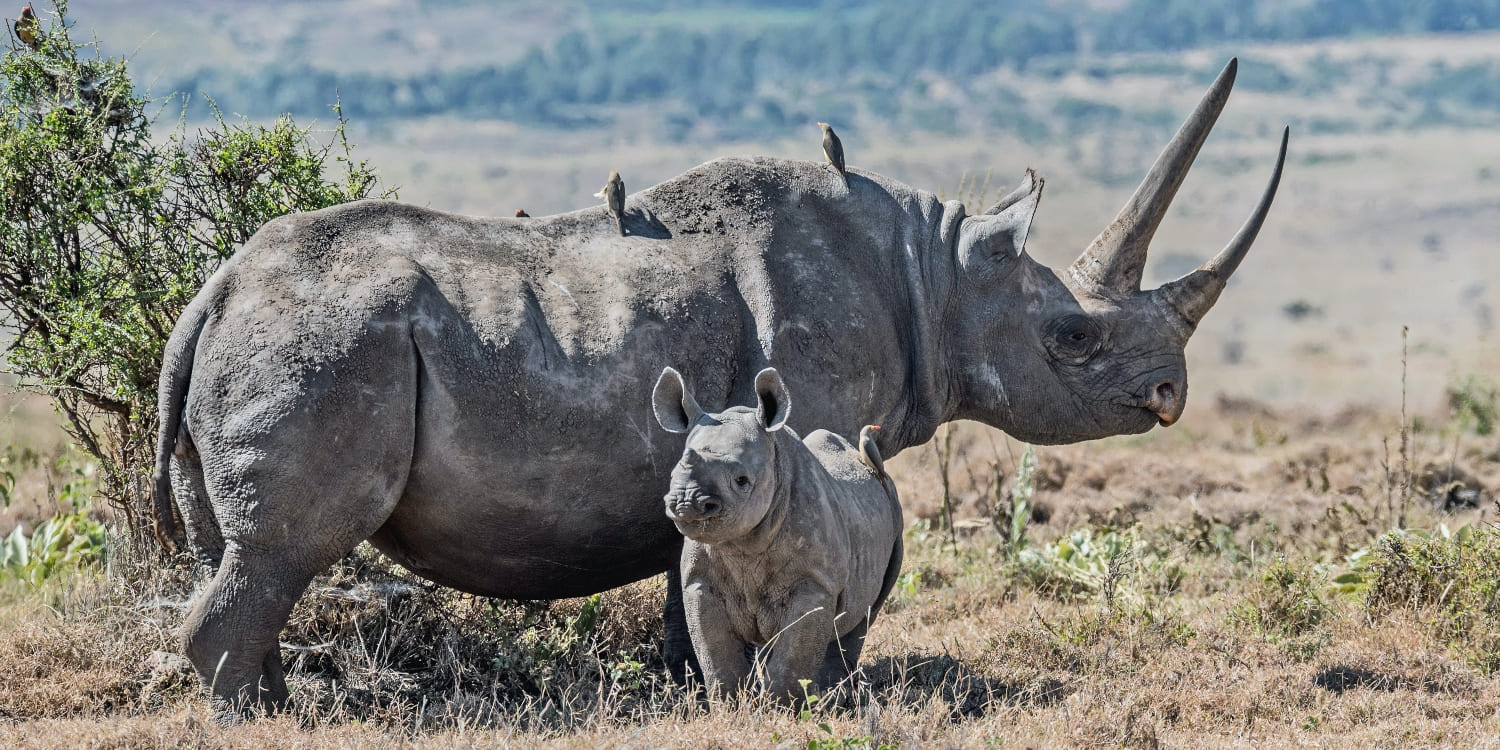
The Masai Mara protects the eastern black rhinoceros, one of Africa’s most endangered mammals.
- Browsing species dependent on shrubland
- Extremely sensitive to poaching
- Slow reproduction rates
Rhino Sanctuary and Protection
Rhinos in the Mara are protected within high-security sanctuaries and intensive protection zones, managed jointly by:
- Kenya Wildlife Service
- Narok County
- Mara Triangle Conservancy
- Specialized rhino ranger units
These areas are not standard tourism zones—a deliberate choice prioritizing survival over sightings.
Why This Matters
Unlike places such as Ol Pejeta Conservancy, the Mara does not rely on predictable rhino tourism. Its model is protection-led, not tourism-led, making it one of Kenya’s most important but least visible rhino strongholds.
5. Conservation of Other Key Species
Lions
- The Mara holds one of Africa’s most studied lion populations
- Threats include conflict, disease, and habitat loss
- Conservancies provide essential low-disturbance breeding space
Cheetahs
- Highly sensitive to vehicle pressure
- Cub survival strongly linked to low-density tourism areas
Elephants
- Use the Mara as part of broader migration corridors
- Face conflict at ecosystem edges
- Protected through conservancies and corridor preservation
Leopards and Wild Dogs
- Leopards persist in riverine zones
- Wild dogs remain rare due to human pressure and disease
6. Migration and Landscape Connectivity
The Great Wildebeest Migration is not just a spectacle—it is a conservation process.
- Requires open borders with Tanzania
- Depends on dispersal areas outside the reserve
- Vulnerable to fencing, farming, and settlement
Disruption anywhere in the system weakens the entire ecosystem.
7. Anti-Poaching and Wildlife Crime
Conservation success in the Mara depends on constant security investment.
Key components:
- Armed ranger patrols
- Intelligence-led operations
- Community informant networks
- Technology (SMART patrols, tracking, forensics)
Rhino protection represents the highest-security tier, but all species benefit from these systems.
8. Human–Wildlife Conflict
Conflict remains one of the Mara’s greatest challenges:
- Predation on livestock
- Crop damage near riverine areas
- Retaliatory killings
Mitigation strategies include:
- Predator-proof bomas
- Compensation schemes
- Conservancy lease payments
- Community ranger employment
9. Tourism and Conservation Trade-offs


4
Tourism funds conservation—but unmanaged tourism can undermine it.
Key issues:
- Vehicle congestion in peak season
- Off-road driving impacts
- Pressure on predators
Conservancies offer:
- Vehicle limits
- Strict viewing rules
- Higher conservation return per guest
10. Climate Change and Emerging Threats
Climate change is reshaping the Mara:
- More frequent droughts
- Altered grazing patterns
- Water stress along rivers
- Increased disease risk
Adaptive management—rather than fixed rules—is now essential.
11. Conservation Economics and Sustainability
The Mara’s conservation model depends heavily on tourism revenue.
Risks include:
- Global travel shocks
- Uneven benefit distribution
- Overreliance on peak-season income
Emerging solutions:
- Diversified funding
- Conservation trust funds
- Payments for ecosystem services
- Carbon and biodiversity credits
12. Indigenous Knowledge and Cultural Stewardship
The Maasai have shaped this landscape for centuries.
Key contributions:
- Seasonal grazing systems
- Coexistence with wildlife
- Cultural legitimacy for conservation
Successful conservation in the Mara increasingly recognizes indigenous land stewardship as a core asset, not an obstacle.
Conclusion: Why the Masai Mara Matters
Masai Mara conservation is not a single program or institution—it is a living system balancing wildlife survival, human livelihoods, and global expectations. From intensively protected rhinos to community conservancies, from migration corridors to anti-poaching units, the Mara demonstrates that conservation succeeds not through isolation, but through managed coexistence.
Its future will depend on:
- Strong governance
- Community-centered conservation
- Sustainable tourism
- Long-term investment in protection and people