
A visitor-focused guide to understanding where wildlife lives—and why sightings vary across the Mara
The Masai Mara’s reputation for extraordinary wildlife viewing is rooted in its geography and landscape structure. The reserve is not a single, uniform plain; it is a mosaic of grasslands, rivers, hills, and volcanic soils that shape animal movement, predator density, and safari experience.
For visitors, understanding these landscape units explains why some areas feel more wildlife-rich than others, why guides choose specific routes, and why sightings change by season.
Open Savannah Grasslands: The Iconic Mara Landscape
The most recognizable feature of the Masai Mara is its open savannah grassland, stretching across vast, gently undulating plains.
Characteristics
- Short to medium grasses
- Minimal tree cover
- Long sightlines in all directions
Why it matters for wildlife
- Ideal grazing for wildebeest, zebra, and gazelles
- Open visibility favors predators such as cheetahs and lions
- Supports large herd dynamics during the Great Migration
Visitor experience
- Excellent photography opportunities
- Easier spotting of animals at distance
- Classic “Out of Africa” scenery
These grasslands form the backbone of the Mara’s year-round game viewing.
Riverine Forests: Wildlife Magnets Along Watercourses

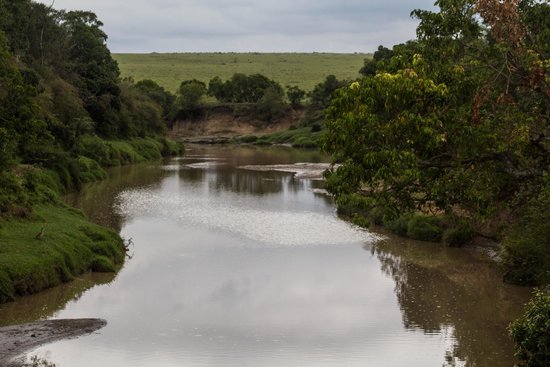
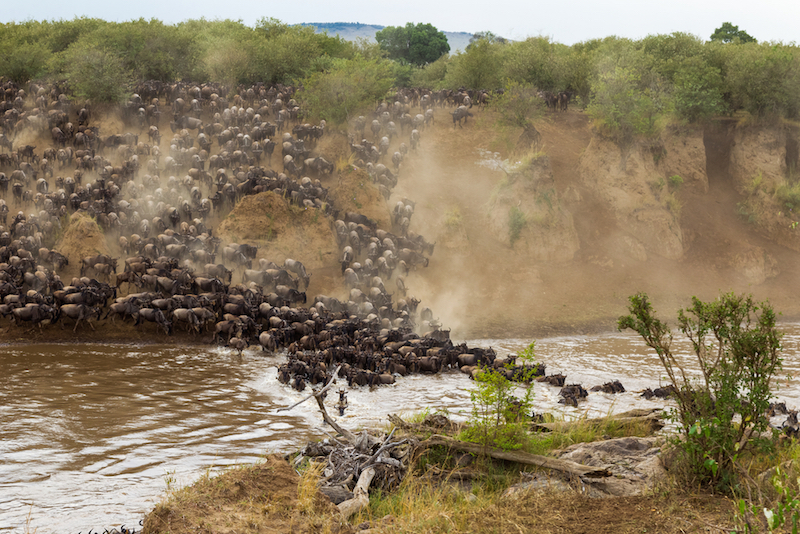
Threading through the open plains are riverine forests, most prominently along the Mara, Talek, and Sand Rivers.
Characteristics
- Dense tree cover and undergrowth
- Permanent or seasonal water
- Cooler microclimates
Wildlife significance
- Preferred habitat for leopards
- Shelter for elephants and buffalo
- High bird diversity
- Crocodiles and hippos in deeper pools
Visitor experience
- More intimate, shaded game drives
- Higher chance of predator sightings in cover
- Dramatic river-crossing scenes during migration
Riverine forests create sharp contrasts with the open plains and concentrate wildlife, especially in dry periods.
Rolling Hills & Escarpments: The Mara’s Subtle Elevation
Unlike flat floodplains, the Masai Mara features rolling hills and low escarpments, particularly toward its western and northern sections.
Characteristics
- Gently rising hills rather than steep mountains
- Natural lookout points
- Wind-exposed ridges
Wildlife role
- Elevated scanning points for predators
- Den sites for hyenas and jackals
- Refuge during seasonal flooding
Visitor experience
- Panoramic views across the reserve
- Strategic picnic and photography spots
- Cooler breezes in the heat of the day
These features add depth and perspective to the landscape, breaking the monotony of flat plains.
Volcanic Soils & Fertile Plains: The Ecological Engine
The Masai Mara sits atop volcanic-derived soils, a legacy of ancient Rift Valley activity.
Why this matters
- Soils are nutrient-rich
- Grasses regenerate quickly after rains
- Supports high herbivore biomass
This fertility explains:
- The Mara’s ability to sustain large resident populations
- Why migrating herds return annually
- High predator density tied to prey availability
For visitors, fertile plains mean more animals, more consistently, compared to less productive ecosystems.
Key Landscape Zones Within the Masai Mara
Understanding the reserve by zones helps visitors and guides target wildlife more effectively.
Musiara Plains
Located in the central–eastern Mara, Musiara is one of the most wildlife-dense areas.
Known for
- Strong resident lion prides
- Good leopard habitat near riverine edges
- Reliable year-round game
Visitor takeaway:
Excellent for first-time visitors seeking consistent sightings.
Olare Motorogi Area (Edge Zone)
Situated along the northern boundary, adjacent to community conservancies.
Known for
- High predator density
- Movement corridors between reserve and conservancies
- Less vehicle congestion near edges
Visitor takeaway:
Combines reserve access with conservancy-level wildlife quality.
Mara Triangle
The western wedge of the reserve, bordered by the Mara River and Oloololo Escarpment.
Known for
- Dramatic river crossings
- Strong management and lower vehicle density
- Excellent large mammal viewing
Visitor takeaway:
Often considered one of the most scenic and well-managed sections.
Talek Region
Located in the eastern Mara, near Talek Gate and Talek River.
Known for
- Easy access from camps outside the reserve
- Good wildlife density, especially predators
- Higher vehicle traffic
Visitor takeaway:
Very productive but busier, especially in peak season.
Viewpoints & Lookout Hills: Seeing the Mara From Above
Scattered across the reserve are natural lookout hills and elevated points used by guides for orientation and wildlife scanning.
Why they matter
- Help track herds and predator movement
- Provide panoramic understanding of the landscape
- Offer iconic photo opportunities
While not formally named like mountains, these vantage points are part of the Mara guiding tradition and enhance the safari experience.
How Geography Shapes Your Safari Experience
The Masai Mara’s landscape determines:
- Where animals concentrate seasonally
- Which predators dominate specific zones
- How crowded certain areas feel
- What type of scenery you experience
A well-planned safari uses geography intentionally—moving between plains, rivers, and hills to maximize diversity and sightings.
Key Takeaways for Visitors
- The Mara is a mosaic of landscapes, not a single plain
- Open grasslands favor grazing herds and cheetahs
- Rivers and forests concentrate predators
- Fertile volcanic soils support exceptional wildlife density
- Different zones offer distinct safari experiences
Bottom Line
Masai Mara National Reserve’s global reputation is inseparable from its geography. Open savannahs, riverine forests, rolling hills, and fertile volcanic plains combine to create one of the most productive wildlife systems on Earth. For visitors, understanding these landscape units transforms a safari from passive sightseeing into an informed exploration of where and why wildlife thrives.